
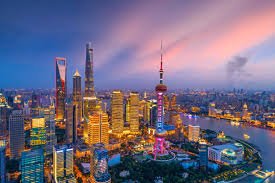
China
China's startups are winning in strategic "hard tech" fields driven by national policy and massive domestic demand. Semiconductors and artificial intelligence lead for technological self-sufficiency. The electric vehicle and battery ecosystem is a dominant global force. Aerospace, with commercial rockets and satellites, is rapidly ascending. Biotech and "silver economy" services are booming to meet the needs of an aging population. Ultimately, the winners are those aligning with state goals and solving core societal challenges.
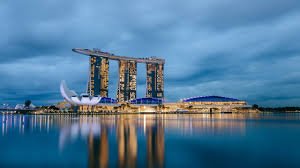
Singapore
Singapore's startups thrive as a strategic hub for Southeast Asia and global ambitions. Fintech and wealthtech lead, leveraging the city's financial powerhouse status. Deep tech—AI, biotech, and medtech—is a major focus, supported by strong R&D. It's also the regional HQ for countless tech giants and scalable SaaS platforms. Green economy and agri-food tech are rising priorities for sustainable urban living. Ultimately, Singapore wins by connecting global capital and innovation to the region's growth
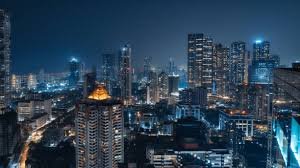
India
India's startup ecosystem is booming, driven by its vast digital population and unique domestic challenges. Fintech is the undisputed leader, revolutionized by the UPI payment system. SaaS (Software-as-a-Service) companies are achieving global success from India. E-commerce and Creator-Driven Commerce are tapping into the massive consumer market. Climate Tech and Green Energy are rising fast, supported by national goals. SpaceTech is rapidly opening to private innovation, and HealthTech is expanding access to care. The winners are those solving for "the next billion" users and leveraging India's tech talent
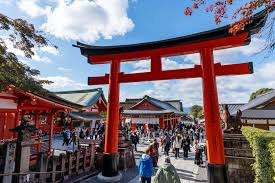
Japan
apan's startup scene is revitalizing, focused on modernizing its traditional strengths and addressing a super-aged society. Deep Tech is prime, with robotics, aerospace, and advanced materials. SaaS for Enterprise is booming, digitizing Japan's immense but paper-based corporate world. Green Tech, especially renewables and hydrogen energy, is a national priority. HealthTech and Agetech are critical, creating solutions for elder care and productivity. The government is actively fueling this with funding and a "Startup City" strategy, aiming to make Japan a global tech leader again.
Taiwan
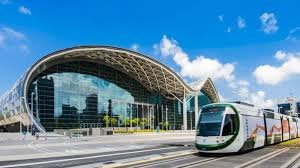
Taiwan's startup strengths are deeply tied to its position as a global tech hardware powerhouse and its unique geopolitical context. Semiconductor and Hardware Innovation is the core, with startups designing specialized chips and leveraging the island's manufacturing ecosystem. AI & Software Solutions, particularly SaaS and AI applications, are growing rapidly by building on this hardware strength. Cybersecurity is a critical and booming field, driven by cross-strait tensions and global demand. Green Tech and Biotech are also rising, supported by government initiatives. Ultimately, Taiwan wins by turning its strategic necessities in the global supply chain into world-class technological ventures
Isreal
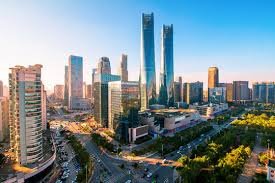
Israel's "Startup Nation" excels in cutting-edge technologies born from national needs and top-tier R&D. Cybersecurity is the global standout, fueled by elite military intelligence units. AgriTech & FoodTech (AgriFoodTech) is a leader in water-saving irrigation and alternative proteins. FinTech and Enterprise SaaS are disrupting global markets with robust security and data analytics. Digital Health and Medical Devices are also powerhouse sectors, pioneering new diagnostics and treatments. The ecosystem thrives on a unique blend of military-honed talent, global ambition, and a culture that embraces disruptive innovation.
Hong Kong
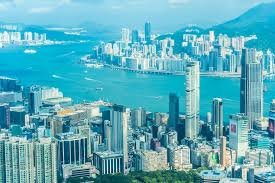
Taiwan's startup strengths are deeply tied to its position as a global tech hardware powerhouse and its unique geopolitical context. Semiconductor and Hardware Innovation is the core, with startups designing specialized chips and leveraging the island's manufacturing ecosystem. AI & Software Solutions, particularly SaaS and AI applications, are growing rapidly by building on this hardware strength. Cybersecurity is a critical and booming field, driven by cross-strait tensions and global demand. Green Tech and Biotech are also rising, supported by government initiatives. Ultimately, Taiwan wins by turning its strategic necessities in the global supply chain into world-class technological ventures
South Korea
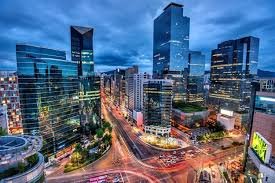
South Korea's startup ecosystem is powered by its advanced digital infrastructure and the dominance of its major tech conglomerates. FinTech and Cryptocurrency are massive, leveraging the world's most active crypto trading market. Gaming and E-Sports is a global cultural and business powerhouse. Deep Tech startups in AI, robotics, and mobility benefit from the country's manufacturing legacy. K-Culture Tech, including everything from K-pop metaverse platforms to content creation tools, is a rapidly growing niche. The winners are those who can navigate the "fast-follower" market and leverage Korea's unique blend of high tech and pop culture.
UAE
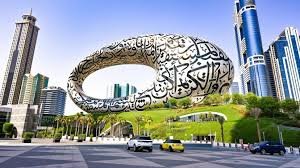
The UAE's startup scene is strategically positioning itself as the future-forward hub for the Middle East, Africa, and South Asia. FinTech and Islamic Finance are dominant, fueled by Dubai's financial center status. E-commerce and Social Commerce are rapidly growing to serve a young, digitally-savvy population. CleanTech and AgriTech are national priorities, driving innovation in desert agriculture and renewable energy. TravelTech and Tourism Innovation are natural fits for a global travel hub, and Blockchain and Web3 are aggressively supported by government initiatives. The UAE wins by offering a stable, pro-business testbed for scaling regional ambitions.
Philippins
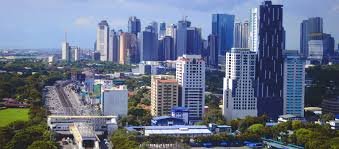
The Philippines' startup growth is fueled by its large, young, and digitally-adaptive population. FinTech is the standout leader, with e-wallets and digital banks achieving massive adoption. E-commerce and Social Selling are booming, driven by high social media usage. EdTech and HealthTech are critical sectors expanding access to education and healthcare services. With its strong English skills, the country is also a growing hub for B2B SaaS and outsourcing-tech. The winners are startups that solve core inefficiencies and tap into the "sachet economy" model for the mass market.