Ola Electric business model 2026.
| Category | Details |
| Company name | Ola Electric |
| Founded year | 2017 |
| Industry / sector | Electric Vehicles (EV) / MobilityTech / Clean Energy / Automotive Manufacturing |
| Headquarters | Bengaluru, Karnataka, India |
| Company revenue | Approximately ₹5,000–5,500 crore annual operating revenue (FY2025, reported) |
| Founders | Bhavish Aggarwal |
| Company Type | Public Company (Listed on Indian stock exchanges) |
| Products / Platforms | Ola S1 X, Ola S1 Air, Ola S1 Pro, Electric Motorcycles (Roadster Series), Battery Cells, Ola Maps, MoveOS, Hypercharger Network, Gigafactory, EV Charging Infrastructure |
| Target Market | Urban commuters, individual consumers, fleet operators, businesses, EV enthusiasts, and sustainable mobility users |
| Market Role | One of India’s leading electric vehicle manufacturers, focused on accelerating EV adoption through integrated manufacturing, software, and battery technology |
| Unique Value | Vertically integrated EV ecosystem combining vehicle manufacturing, battery technology, proprietary MoveOS software, charging infrastructure, and AI-enabled connected mobility |
| Geographic Presence | Primarily operates across India, with expanding international ambitions and exports to select global markets |
| Growth Snapshot | Built one of the world’s largest two-wheeler EV manufacturing facilities (Futurefactory), serves millions of customers, continues expanding its battery cell manufacturing through Gigafactory initiatives, and is broadening its portfolio from electric scooters into motorcycles, advanced battery technology, and mobility software. |
1. Executive Summary
Ola Electric Mobility Limited occupies a highly scrutinized and pivotal position within the global transition toward sustainable transportation. Founded with the aggressive and singular ambition to completely eradicate internal combustion engine (ICE) two-wheelers from Indian roads, the company rapidly ascended to become the dominant force in the domestic electric vehicle (EV) market. However, the period stretching from 2024 into the middle of 2026 has severely tested the resilience of its vertically integrated business model. A combination of crippling after-sales service bottlenecks, aggressive counter-offensives from legacy automakers, and immense cash burn has resulted in a precipitous drop in both market share and revenue.
Despite these formidable headwinds, the company is actively executing a massive “structural reset.” By successfully commercializing indigenous battery cell technology—specifically the 4680 Bharat Cell and the newly announced 46100 LFP cell—expanding its Gigafactory to supply third-party automakers, and securing emergency capital via a highly successful Qualified Institutional Placement (QIP) in June 2026, Ola Electric is attempting a profound pivot. It is transitioning from being merely a scooter manufacturer to becoming a diversified, foundational energy and mobility ecosystem. This report provides an exhaustive, accessible analysis of Ola Electric’s business model, financial realities, operational hurdles, and strategic roadmap as of July 2026, designed to be easily understood by a wide readership while maintaining deep analytical rigor.
2. Company Overview and Corporate Evolution
The genesis of Ola Electric is rooted in the success of its parent company, ANI Technologies, which operates the popular ride-hailing platform Ola Cabs (now Ola Consumer). Ola Electric was established in 2017 by Bhavish Aggarwal, Anand Shah, Ankit Jain, and Reshma NA, initially operating as a wholly-owned subsidiary to explore electric mobility. The company’s early foray into the space involved a pilot program in Nagpur, executed in partnership with Mahindra & Mahindra, which aimed to deploy electric vehicles for commercial ride-hailing. However, this pilot faced a lukewarm response from cab drivers, prompting a strategic pivot toward manufacturing.
In 2019, Ola Electric was spun off into an independent entity, with ANI Technologies retaining a minority stake. The pivotal moment in the company’s trajectory occurred in May 2020, when it acquired Etergo BV, an Amsterdam-based electric scooter manufacturer, for €3.75 million in a distress sale. This acquisition provided the foundational engineering for what would become the Ola S1 scooter line.
Ola Electric executed one of the most aggressive scale-ups in modern industrial history. In early 2021, the company acquired 500 acres of land in the Krishnagiri district of Tamil Nadu to construct the “Futurefactory.” Bypassing traditional phased manufacturing rollouts, the company built the facility in just eight months, aiming for an eventual capacity of 10 million units annually. The company’s overarching mission is encapsulated in its viral “#EndICEAge” marketing campaign, envisioning a future where petrol-powered two-wheelers are entirely obsolete. On August 9, 2024, the company successfully launched its Initial Public Offering (IPO), raising ₹5,500 crore in fresh equity and listing at ₹76 per share, a move that briefly pushed its valuation to roughly $5.4 billion.
3. Business Model: The Ecosystem Approach
Ola Electric’s business model is a radical departure from traditional automotive manufacturing in India. Legacy automakers typically rely on horizontal integration, assembling components sourced from thousands of specialized third-party suppliers, and selling vehicles through independent franchise dealerships. Ola Electric, conversely, operates a highly vertically integrated, Direct-to-Consumer (D2C) ecosystem.
Vertical Integration and the EV Hub
At the core of this strategy is the EV Hub located in Tamil Nadu. This geographic concentration includes the Futurefactory for vehicle assembly, the Gigafactory for battery cell production, and co-located supplier parks. By bringing research and development (R&D), electric motor manufacturing, software development (MoveOS), and lithium-ion cell production entirely in-house, the company aims to eliminate supplier margins and gain absolute control over the cost and quality of its vehicles.
The strategic rationale is highly compelling: the battery pack accounts for the single largest portion of an electric vehicle’s manufacturing cost. By transitioning away from importing cells from global giants like LG Energy Solution and CATL, and instead developing the indigenous “Bharat Cell,” the company expects to reduce battery procurement costs by up to 25%. This vertical integration theoretically creates a durable cost advantage that competitors relying on external suppliers cannot easily replicate.
Direct-to-Consumer (D2C) and Omnichannel Distribution
Initially, the company attempted a purely online sales model, aiming to deliver scooters directly to consumers’ doorsteps. While this eliminated the high real estate costs and dealer margins associated with traditional franchise models, it created severe friction for Indian consumers, who traditionally demand physical touch-and-feel experiences and test rides before making high-ticket purchases.
Recognizing this critical market reality, the company pivoted to a hybrid omnichannel model. By 2025, Ola Electric rapidly scaled a network of over 1,000 company-owned and operated “Experience Centers” across India. These centers serve as physical showrooms, test-ride hubs, and service centers, while the actual financial transaction remains entirely digital via the Ola App or website. This ensures the company retains total control over customer data, dynamic pricing, and the end-to-end purchasing journey.
Regulatory Moat: Production-Linked Incentive (PLI) Schemes
A foundational pillar of Ola Electric’s financial viability is its unique qualification for dual Indian government Production-Linked Incentive (PLI) schemes. The company receives massive subsidies under both the Automobile PLI Scheme (budgeted at ₹25,900 crore) and the Advanced Chemistry Cell (ACC) PLI Scheme (budgeted at ₹18,100 crore).
These schemes act as a cashback mechanism for companies that manufacture advanced technology in India. By achieving strict Domestic Value Addition (DVA) targets, Ola Electric is eligible to receive government grants equivalent to 13-18% of the sales value of its vehicles, and separate incentives for the battery cells it produces. This dual benefit provides Ola Electric with a substantial financial buffer, allowing it to price its vehicles aggressively while theoretically maintaining a path to profitability.
4. Products and Services
Ola Electric’s product portfolio is strategically tiered to capture every segment of the diverse Indian two-wheeler market, ranging from ultra-budget daily commuters to premium performance enthusiasts.
The Vehicle Portfolio
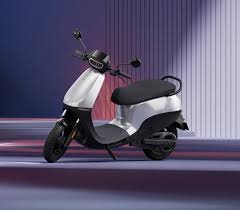
The company’s core revenue driver has been its scooter lineup. The transition from the Gen-1 to the Gen-2, and increasingly the Gen-3 platforms, features a modular architecture. This means different scooter models share common underlying parts—such as frames, motors, and battery management systems—which drastically reduces production costs and time-to-market.
| Product Line | Models | Battery Capacity Options | Pricing Strategy (Ex-Showroom) | Target Demographic & Purpose |
| Mass-Market Scooters | S1 X series, S1 X+ | 2kWh, 3kWh, 4kWh | Entry-level pricing (Starting ~₹69,999) | Price-sensitive commuters, rural buyers, and fleet operators. Designed to compete directly with 100cc petrol scooters. |
| Premium Scooters | S1 Air, S1 Pro (Gen 2 & 3) | 3kWh, 4kWh, 5.2kWh | Premium pricing (₹1,02,499 to ₹1,70,338) | Tech-forward urban millennials seeking performance, top speed, and advanced software features. |
| Motorcycles | Roadster X, Roadster X+ | 2.5kWh to 9.1kWh | Mid-to-Premium (₹79,999 to ₹1,90,000) | Traditional motorcycle riders, representing the largest two-wheeler segment. Offers ranges up to 500+ km. |
Energy Independence: The Battery Portfolio
The true technological differentiator for Ola Electric is its battery portfolio. Moving away from standard imported cells, the company has successfully commercialized the 4680 NMC (Nickel-Manganese-Cobalt) Bharat Cell, integrating it into the S1 Pro+ and Roadster models to deliver greater range and power.
Furthermore, in a major technological leap, the company announced the readiness of a larger 46100 LFP (Lithium Iron Phosphate) cell in early 2026. The LFP chemistry is critical for the Indian market. While it sacrifices a marginal amount of energy density compared to NMC, it offers vastly superior thermal stability (crucial for India’s extreme heat), a longer cycle life, and lower material costs since it does not require expensive and volatile minerals like cobalt or nickel. Ola Electric business model 2026.
Software as a Service: MoveOS
Ola Electric vehicles are fundamentally software-defined. “MoveOS” is the company’s proprietary operating system, capable of seamless Over-The-Air (OTA) updates. This allows the company to deploy bug fixes, optimize battery performance, and add entirely new features long after the consumer has purchased the vehicle. Features enabled by MoveOS include Ola Maps navigation, anti-theft alerts, digital key sharing, and upcoming Advanced Driver Assistance Systems (ADAS) such as adaptive cruise control and collision warnings planned for MoveOS 6.
5. Target Market and Customers
The Indian electric two-wheeler market is transitioning rapidly from a niche segment of early eco-adopters to mass-market maturity. The total market size was valued at approximately USD 1.42 billion in 2025 and is projected to reach USD 4.19 billion by 2032, expanding at a robust Compound Annual Growth Rate (CAGR) of 16.72%.
The Economics of Adoption
In India, the primary driver of EV adoption is cold, hard economics, not environmental idealism. With petrol prices hovering around ₹100 per liter, the Total Cost of Ownership (TCO) for an electric two-wheeler is roughly 45% lower than its ICE counterpart over a three-to-five-year lifespan. Electricity prices in India remain relatively stable and affordable due to surplus generation capacity, making the day-to-day running cost of an EV just a fraction of a petrol scooter.
This powerful economic incentive makes the target market exceptionally broad. Ola Electric categorizes its audience into distinct cohorts: urban millennials drawn to the technology and acceleration of the S1 Pro, budget-conscious daily commuters and rural buyers targeted by the affordable S1 X, and the massive, rapidly expanding gig-economy delivery workforce that relies on low operating costs for survival.
6. Industry Dynamics: The PM E-DRIVE Subsidy Cliff
A massive, industry-altering shift is currently underway in the Indian EV market. For years, adoption has been heavily subsidized by the government to make the upfront purchase price of EVs comparable to petrol vehicles.
However, the government is deliberately shifting policy to wean the industry off fiscal dependency. The current central subsidy program, the PM E-DRIVE scheme, has a strict deadline for electric two-wheelers: July 31, 2026. The scheme previously offered up to ₹10,000 per vehicle, but this was abruptly halved to a maximum of ₹5,000 (calculated at ₹2,500 per kWh of battery capacity) in April 2025.
The impending total removal of this central subsidy in mid-2026 forces all manufacturers to compete purely on underlying unit economics and cost efficiency. Ola Electric’s deep vertical integration and reliance on supply-side PLI incentives are designed specifically to survive this transition. By lowering the core cost to manufacture the vehicle, Ola aims to maintain affordable showroom prices even when the government stops handing out discounts to the consumer. State-level subsidies (such as those in Delhi offering up to ₹30,000 for early adopters and ₹10,000 for scrapping old petrol bikes) will continue independently, but the loss of the central subsidy remains a major market test.
7. Market Position and Competition
The narrative of Ola Electric’s market share is a dramatic tale of meteoric rise and subsequent freefall, illustrating the ruthless, highly competitive nature of the Indian automotive sector.
In 2024, Ola Electric was the undisputed king of the hill, commanding a peak market share of 36.7% and leaving legacy automakers scrambling to catch up. However, by the end of 2025, a dramatic reversal had occurred. The company’s market share plummeted by more than half to just 16.1%, and by early 2026, it had briefly dipped into the single digits before showing minor sequential recovery.
The Resurgence of Legacy Automakers
This collapse was not due to consumers abandoning EVs; overall EV sales actually surged by 29.6% in the first half of 2026. Rather, it was the result of established legacy players waking up, mobilizing their vast resources, and attacking Ola Electric’s vulnerabilities.
| Manufacturer | 2024 Market Share | 2025 Market Share | Competitive Strategy & Advantages |
| TVS Motor | Secondary | 24.2% (New Leader) | Leveraged its massive, decades-old physical dealer network. Focused on high reliability and family practicality with the iQube series, capturing buyers alienated by Ola’s software bugs. |
| Bajaj Auto | Secondary | 21.9% | Relied on immense brand trust and a legacy nameplate. The metal-bodied Chetak appealed to older, traditional buyers looking for durability over flashy tech features. |
| Ather Energy | 11.3% | 16.2% | Maintained a premium, high-quality positioning. Successfully expanded its total addressable market by launching the “Rizta,” a spacious scooter aimed squarely at family buyers rather than just tech enthusiasts. |
| Ola Electric | 36.7% (Former Leader) | 16.1% | Offered the most tech-heavy features and the lowest entry prices. However, growth was severely hindered by a catastrophic breakdown in its after-sales service and repair infrastructure. |
| Hero MotoCorp (Vida) | 3.9% | 8.8% | Utilized the world’s largest two-wheeler distribution network. Focused on practical features like removable batteries for urban dwellers without dedicated parking. |
The underlying cause of this market shift is profound. In India, a two-wheeler is not a toy; it is a critical household asset relied upon for daily livelihood. When Ola Electric vehicles began experiencing hardware failures and software glitches, the company’s lack of a traditional, robust dealership and service network resulted in massive consumer frustration. Legacy brands capitalized on this brilliantly, offering what Ola temporarily could not: immediate, localized, and highly reliable after-sales support built on decades of trust.
8. Customer Experience and Loyalty

The most existential threat to Ola Electric has been the breakdown of its after-sales service infrastructure. The rapid scale-up of sales vastly outpaced the company’s ability to repair broken vehicles.
Between late 2023 and August 2024, the National Consumer Helpline received a staggering 10,644 formal complaints against the company. Consumers reported a wide array of severe issues: dashboard software freezing mid-ride, crucial features like cruise control failing, massive delays in receiving spare parts, and the outright refusal of warranty services by overwhelmed service center staff.
This crisis prompted the Central Consumer Protection Authority (CCPA) to issue a formal show-cause notice, launching an investigation into alleged violations of consumer rights and misleading claims regarding the company’s stated 99% complaint resolution rate. The public relations disaster peaked when CEO Bhavish Aggarwal engaged in a highly publicized and combative social media feud with a prominent stand-up comedian over the service quality, which further damaged the brand’s premium perception in the eyes of the public.
The Operational Turnaround
Recognizing that poor service was destroying sales, the company was forced to undertake a drastic “structural reset.” By March 2026, management claimed to have achieved a massive turnaround in its service metrics. The average service turnaround time (TAT) was allegedly reduced by 88%—dropping from 9 days in late 2025 down to just 1 day—while parts pendency was reduced by 69%. To clean up the balance sheet and regain trust, the company absorbed a massive one-time financial hit, taking a provision of ₹250 crore to settle accumulated warranty liabilities.
To rebuild loyalty, the company launched initiatives like the “Ola Insiders” upgrade program and “Muhurat Mahotsav,” offering buyback guarantees, extended service trust guarantees, and massive discounts to early adopters to keep them within the Ola ecosystem.
9. Financial Performance
The operational struggles directly impacted the company’s financial health, leading to a highly scrutinized FY26 earnings report that revealed a company intentionally sacrificing top-line revenue to fix its underlying cost structure.
| Financial Metric (Consolidated) | FY22 | FY23 | FY24 | FY25 | FY26 |
| Revenue (₹ Cr) | 373.42 | 2,630.93 | 5,010.00 | 4,514.00 | 2,253.00 |
| Net Profit / (Loss) (₹ Cr) | -784.15 | -1,472.08 | -1,584.00 | -2,276.00 | -1,833.00 |
| Net Worth (₹ Cr) | 3,661.45 | 2,356.44 | 2,019.00 | 4,411.00 | – |
| Total Borrowing (₹ Cr) | 750.41 | 1,645.75 | 2,390.00 | 3,556.00 | 2,763.00 |
| Operating Cash Flow (₹ Cr) | -311.50 | – | – | -2,391.00 | -775.00 |
| Return on Equity (ROE) (%) | -21.42% | -62.47% | -78.45% | – | -43.2% |
Data compiled from corporate filings, DRHP, and historical earnings reports.
The most shocking metric in the FY26 results was the Q4 revenue collapse. Revenue from operations dropped a staggering 56.6% year-on-year in the final quarter to just ₹265 crore, dragging full-year FY26 revenue down by 50% compared to FY25.
Management framed this severe contraction as a deliberate strategy, termed “Project Lakshya”. The company intentionally slowed the production and delivery of low-margin inventory, reconfigured assembly lines for the new, more cost-effective Gen-3 platform, and focused on cleaning up its retail network.
This painful reset did yield one highly positive indicator for long-term viability: consolidated gross margins expanded dramatically to 38.5% in Q4 FY26, up from just 13.7% a year earlier. Furthermore, operating expenses were slashed by 58% year-on-year. Most notably, Q4 FY26 marked the company’s first-ever operating cash-flow positive quarter (generating ₹91 crore), signaling that the underlying unit economics of manufacturing the vehicles are sound if the company can restore sales volume without inflating marketing and warranty costs.
The “Going Concern” Warning and the Auditor’s Note
Despite the improved margins, the heavy cash burn required to scale the Gigafactory and manage legacy warranty claims severely impacted the balance sheet. In the FY26 audit, the statutory auditors (BSR & Co. LLP) felt compelled to include an emphasis of matter regarding the company’s “going concern” assumptions. Ola Electric business model 2026.
This auditor’s note is a standard but serious regulatory red flag. It highlighted that the company’s survival and ability to discharge its liabilities were heavily dependent on management’s future cash flow projections actually materializing, and on the company securing external liquidity.
10. Funding, Investors, and the QIP Lifeline
Ola Electric has historically relied on a consistent pipeline of external capital to fund its aggressive ambitions. Early backers included prominent figures like Ratan Tata, alongside massive institutional commitments from SoftBank, Tiger Global, and Temasek. (Notably, strategic automotive investors Hyundai and Kia executed a complete exit from the company in 2025 via block deals worth ₹690 crore).
Following its massive ₹5,500 crore IPO in August 2024, the company’s stock experienced extreme volatility. Driven by early retail enthusiasm, the stock soared to a peak of ₹157. However, as the service crisis deepened and market share eroded, the stock price suffered a devastating crash, wiping out tens of thousands of crores in shareholder value and plummeting to lows between ₹26 and ₹44 by mid-2026.
The June 2026 Qualified Institutional Placement (QIP)
Faced with the auditor’s going concern warning and the need to scale battery production, the company launched an emergency Qualified Institutional Placement (QIP) in June 2026. The QIP was a resounding success in terms of institutional demand. The company set out to raise ₹500 crore, but the issue was oversubscribed by 56%, ultimately raising ₹780 crore.
Marquee global and domestic investors participated, including Goldman Sachs, BNP Climate Fund, Motilal Oswal Mutual Fund, and Mirae Asset Mutual Fund. This signals that despite the operational hurdles, long-term institutional capital still believes in the vertically integrated vision.
However, this lifeline came at a severe cost to existing retail shareholders. To attract these institutions, the shares were issued at a highly discounted price of ₹35.86 per share (a nearly 5% discount to the regulatory floor price, and a massive drop from the ₹76 IPO price). This capital injection provides the critical runway needed to transition to the Gen-3 platform and scale the cell manufacturing business, but it resulted in significant equity dilution.
11. Leadership, Management, and Corporate Culture
The leadership and corporate culture at Ola Electric present a stark dichotomy between the factory floor and the corporate headquarters.
Executive Leadership and Attrition
The company is dominated by the vision and highly aggressive execution style of its founder and CEO, Bhavish Aggarwal. Aggarwal, an IIT Bombay alumnus and former Microsoft researcher, is a prominent figure in the Indian startup ecosystem, also founding the ride-hailing app Ola Consumer and the AI unicorn Krutrim. The Board of Directors includes seasoned industry veterans such as Manoj Kohli (formerly of SoftBank and Bharti Enterprises) and Shradha Sharma.
However, this intense management approach has generated substantial friction, resulting in exceedingly high attrition rates within the C-suite. Key executives, including former co-founders Anand Shah and Ankit Jain, have long since departed. More recently, in early 2026, the company saw the resignation of CFO Harish Abichandani (replaced by Deepak Rastogi), alongside the exits of Chief Technology Officer Suvonil Chatterjee and Chief Marketing Officer Anshul Khandelwal.
A Tale of Two Cultures
Reports from internal employees suggest a highly demanding, often toxic corporate work environment at the headquarters. Former and current employees have anonymously detailed grueling 12-to-14-hour workdays, sudden mass layoffs executed just before annual appraisals to avoid paying bonuses, and a culture of public reprimands. Specific allegations have surfaced regarding former executives tearing up presentations over minor formatting errors and utilizing abusive language toward staff. Such instability poses a severe risk to long-term strategic execution and the recruitment of seasoned automotive professionals.
Conversely, on the manufacturing floor, the company has championed a highly progressive workforce strategy. The Ola Futurefactory is operated by a 100% female workforce. This initiative aligns with broader social sustainability goals and has yielded high retention rates among the assembly line workers, who predominantly hold diplomas and bachelor’s degrees. However, internal surveys indicate a strong need for more structured, skill-based technical training to help these workers keep pace with the advanced robotic manufacturing systems and complex battery chemistry handling required on the floor.
12. Marketing and Customer Acquisition
Ola Electric’s marketing strategy has historically relied on an “inverted-pyramid playbook”—prioritizing massive, high-decibel brand awareness campaigns designed to generate viral attention, which then feeds into targeted digital acquisition funnels.
Founder Bhavish Aggarwal acts as the primary marketing engine, utilizing social media platforms like X in a manner reminiscent of Silicon Valley tech CEOs to generate real-time earned media, tease product launches, and create urgency. The company has also executed highly creative, unconventional campaigns. In 2021, it launched the “Ola AirPro” April Fool’s campaign, teasing a fake electric flying car to generate massive engagement. Furthermore, the company cleverly integrated its products into popular culture, collaborating with content creators like The Viral Fever (TVF) to feature its vehicles organically in hit web series like Permanent Roommates.
However, as the brand suffered severe erosion due to the 2025 service crisis, the marketing messaging shifted from “aggressive disruption” to “reputational repair”. Recognizing the trust deficit, the company pivoted toward service-led marketing. The 2026 “#EndICEAge” campaigns now heavily feature “Service Trust Guarantees,” “Buyback Assurances,” and loyalty programs like the “Ola Insiders” upgrade program, aiming to reassure skeptical buyers and retain existing owners. To optimize customer acquisition costs (CAC), the company increasingly relies on AI-driven data segmentation, targeting specific cohorts (like college students versus gig workers) with tailored financing offers via WhatsApp and programmatic ads.
13. Operations and Supply Chain
The operational backbone of Ola Electric relies on the synchronization of its Tamil Nadu facilities: the Futurefactory and the Gigafactory.
Historically, the company relied on importing battery cells from South Korean and Chinese giants like LG Energy Solution and CATL, simply assembling the packs in-house. The strategic shift to manufacturing its own cells is critical, but fraught with logistical challenges. The Gigafactory, which began with a 2.5 GWh operational capacity, is currently scaling toward 6 GWh, with a long-term target of 20 GWh by FY28.
Scaling physical manufacturing is inherently vulnerable to global supply chain shocks. For example, in mid-2026, CEO Bhavish Aggarwal revealed that the commissioning of the next phase of the Gigafactory was delayed by a month because crucial manufacturing equipment containers were held up due to geopolitical conflicts involving Iran, highlighting the fragility of global shipping routes. To combat internal logistical delays and shorten the time from order to delivery, the company initiated “Project Bison,” optimizing its supply chain to ensure Experience Centers have the correct inventory buffers.
14. Legal and Compliance Risks
Beyond the CCPA investigation regarding consumer complaints, Ola Electric faces notable legal and compliance hurdles.
In mid-2026, two key suppliers—Sterling E-Mobility Solutions and Anevolve Mando eMobility—filed formal insolvency petitions under Section 9 of the Insolvency and Bankruptcy Code with the National Company Law Tribunal (NCLT) in Bengaluru. The vendors allege unpaid dues exceeding ₹40 crore. While Ola Electric is contesting these claims, citing disagreements over the quality of the components supplied, the filings publicly highlight the severe working capital strains the company faced prior to the June 2026 QIP. Additionally, the company previously faced a similar payment dispute with vehicle registration service provider Rosmerta Digital Services, which was ultimately settled.
Furthermore, the company has faced regulatory scrutiny from the Securities and Exchange Board of India (SEBI) and the National Stock Exchange (NSE) regarding discrepancies between the vehicle sales figures publicly announced by the company and the actual vehicle registrations recorded on the government’s Vahan portal. The company was forced to clarify that its internal figures represented “bookings,” not finalized registrations.
15. Sustainability, ESG, and the Net-Zero Mandate
In the context of Environmental, Social, and Governance (ESG) frameworks, Ola Electric positions itself as a critical sustainability accelerator for India. The Indian government has committed to a national goal of achieving net-zero emissions by 2070, which requires the rapid decarbonization of the transport sector—a sector that currently accounts for 18% of the country’s greenhouse gas emissions.
By transitioning millions of kilometers of daily travel from ICE to electric, the company contributes significantly to reducing severe urban air pollution. Furthermore, the localization of battery manufacturing through the Gigafactory drastically reduces the carbon footprint associated with shipping heavy battery packs from China or South Korea. The company’s commitment to powering the Futurefactory with renewable energy, alongside its progressive 100% female workforce model, satisfies key criteria for institutional ESG investors. This strong ESG narrative likely played a major role in securing capital from specialized entities like the BNP Climate Fund during the recent QIP. From a compliance perspective, the company fulfilled its Corporate Social Responsibility (CSR) obligations in 2024 by transferring ₹8.2 crores of unspent CSR funds to the PM CARES Fund. Ola Electric business model 2026.
16. Growth Strategy and Future Plans: Beyond Two-Wheelers
Recognizing the extreme volatility and fierce competition of the two-wheeler market, Ola Electric’s management is rapidly executing a diversification strategy. The goal is to transform the company from a consumer-facing scooter brand into a foundational, B2B energy and mobility technology provider.
The B2B Cell Provider Pivot
The most significant strategic development in 2026 is the company’s move to monetize its Gigafactory beyond its own captive use. With installed capacity targeted to rise to 20 GWh by FY28, the company is deliberately earmarking approximately one-third of that capacity (roughly 6.5 GWh) for third-party sales to other global and domestic automotive OEMs.
By supplying its 4680 NMC and 46100 LFP cells to competitors, Ola Electric can achieve massive economies of scale, drastically de-risk its revenue model from the volatile retail scooter sales cycle, and position itself as the indispensable battery provider for the entire Indian EV ecosystem.
Stationary Energy Storage and New Mobility Segments
The company is aggressively commercializing its battery technology for the stationary energy storage market. The “Ola Shakti” (home energy) and “Mahashakti” (commercial storage) products leverage the exact same cell architectures developed for the scooters. This dual-use application slashes R&D costs and opens up a rapidly growing, high-margin market for grid stabilization and renewable energy storage, driven by anticipated domestic procurement mandates for battery energy storage systems (BESS).
Furthermore, the company is expanding its physical vehicle footprint. Deliveries of the Roadster motorcycle series are slated to scale throughout 2026, allowing the company to tap into the largest segment of the Indian two-wheeler market (motorcycles vastly outsell scooters in India). The company is also actively developing an electric three-wheeler, code-named “Raahi,” designed to target the massive commercial passenger and last-mile delivery sectors. Long-term ambitions remain in place for electric four-wheelers and international expansion, utilizing the Tamil Nadu facility as an export hub for markets like Nepal, Latin America, and Europe.
17. Comprehensive SWOT Analysis
| Strengths | Weaknesses |
| Deep Vertical Integration: In-house cell, motor, and software manufacturing theoretically yields superior margin potential compared to assembly-only competitors. | Service Infrastructure: Severe reputational damage stemming from delayed repairs, parts shortages, and software bugs. |
| Policy Tailwind: The maximum beneficiary of both the Auto and Cell PLI schemes, providing a massive pricing advantage. | Financial Cash Burn: A history of heavy capital consumption requiring highly dilutive equity raises to survive. |
| Battery IP Leadership: The first Indian company to successfully commercialize advanced 4680 NMC and 46100 LFP cells at scale. | Executive Instability: High C-suite attrition and widespread reports of a toxic, demanding corporate culture. |
| Opportunities | Threats |
| B2B Cell Sales: Supplying batteries to other competing OEMs creates a massive, diversified, and stable revenue stream. | Fierce Legacy Competition: TVS, Bajaj, and Hero have vastly superior physical dealer networks, deep pockets, and high brand trust. |
| The Motorcycle Market: The launch of the Roadster line opens up the largest demographic in the Indian two-wheeler space. | The Subsidy Cliff: The total end of the PM E-DRIVE central subsidy in July 2026 will ruthlessly test the company’s true pricing power and unit economics. |
| Energy Storage (BESS): The Ola Shakti ecosystem leverages existing cell R&D for the booming renewable grid storage market. | Regulatory and Legal Probes: CCPA investigations and NCLT insolvency petitions pose ongoing legal, financial, and reputational risks. |
18. Strategic Conclusion & Outlook
Ola Electric Mobility is currently navigating the highly perilous transition from a hyper-growth, software-minded startup to a mature, capital-intensive manufacturing enterprise. The collapse in revenue and market share throughout FY25 and FY26 served as a harsh, necessary market correction. It punished the company for prioritizing breakneck sales growth without proportionately scaling the grueling, unglamorous work of after-sales service infrastructure.
However, the underlying mechanics of the company’s recent “structural reset” show genuine promise. By achieving a 38.5% gross margin, drastically reducing operating expenses, and aggressively resolving the service backlog to bring turnaround times down to a single day, the company has demonstrated that its vertically integrated model can theoretically function profitably. The successful ₹780 crore QIP in June 2026 removes the immediate existential liquidity threat flagged by the auditors, providing the essential capital runway needed to finalize the transition to the more efficient Gen-3 platform and rapidly scale the cell Gigafactory.
The ultimate, long-term success of Ola Electric now hinges on a difficult dual mandate. First, it must fiercely defend its consumer brand in the retail two-wheeler space against relentless, deeply trusted legacy competitors by proving, month after month, that its service network is finally reliable. Second, it must flawlessly execute the commercialization of its 46100 LFP and 4680 Bharat cells for third-party OEMs and stationary energy storage.
If the company achieves this pivot, it will transcend its origins as a mere scooter manufacturer to become the indispensable technological and energy backbone of India’s electric mobility revolution. If it fails to maintain hardware quality, manage its cash burn, and retain critical executive talent, it risks being permanently marginalized by the established legacy automakers who are rapidly closing the technological gap Ola Electric business model 2026..