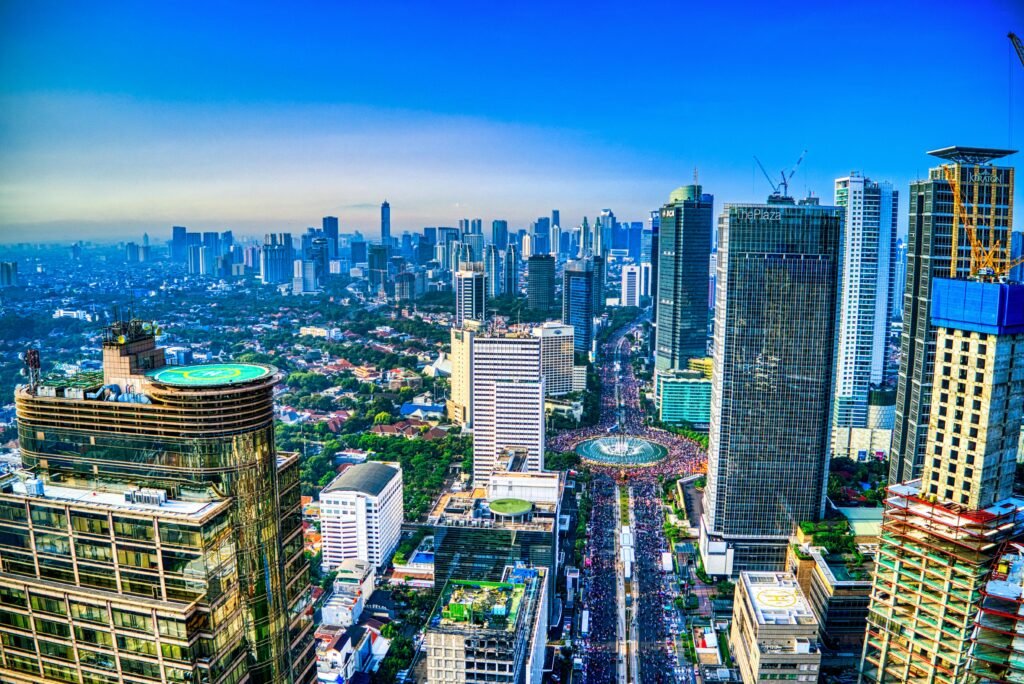

Philippines service-driven economy 2026.
Executive Summary
The Philippines has emerged as Southeast Asia’s dominant service and technology outsourcing powerhouse, leveraging a young population, near-universal English proficiency, and competitive labor costs to create a USD 98 billion+ services ecosystem. The nation’s 5.6% GDP growth in 2024—the second fastest in ASEAN—reflects a structural economic transformation led by business process outsourcing (BPO), financial technology (fintech), e-commerce, and artificial intelligence. With 120.1 million people and a median age of just 25.7 years, the Philippines possesses one of the world’s youngest and most digitally native workforces. The BPO/IT-BPM sector alone generates USD 38 billion in annual revenue while employing 1.7 million professionals globally, but rapid growth in fintech (projected to expand 16.75% annually through 2034), e-commerce (USD 28 billion market growing at 13.78% CAGR), and emerging AI capabilities (projected to grow 27.75% annually through 2030) demonstrate strategic diversification beyond call centers. The CREATE MORE tax incentive law, enacted in November 2024, positions the Philippines as increasingly competitive for foreign direct investment by offering 5% special corporate tax rates, 27-year incentive periods, and enhanced energy deductions. Strong government backing through digital transformation initiatives, 2,500+ Tech4ED centers, and USD 288 million digital infrastructure investments is expanding broadband connectivity and technological literacy across the archipelago. For multinational corporations seeking offshore technology talent, fintech innovation platforms, and nearshore e-commerce operations, the Philippines offers a rare combination of cost-effectiveness, English-speaking expertise, favorable tax treatment, and demonstrated execution capacity.
Macroeconomic Context and Growth Trajectory
The Philippines has sustained one of the strongest growth trajectories in Southeast Asia, with 5.6% GDP expansion in 2024 representing the region’s second-fastest expansion behind Vietnam’s 7.1%. The growth reflects robust domestic demand, rising private investment, and improving infrastructure—particularly in technology and digital services. The OECD projects continued expansion at 5.6% in 2025 and 6.0% in 2026, driven by strong household consumption (bolstered by easing inflation and a robust labor market), rising private investment, and increased public infrastructure spending.
The Philippines’ economic outlook remains structurally bullish despite headwinds. The working-age population of 77 million (62% of total population) is expanding rapidly, with unemployment at an exceptionally low 2.6%. This labor market tightness reflects strong job creation, though it also signals wage pressure, particularly in competitive sectors like BPO. The median age of 25.7-26.1 years ranks the Philippines among the world’s youngest major economies, creating what economists term a “demographic dividend”—a substantial cohort of working-age population relative to dependents. However, this advantage is time-limited; fertility has fallen to replacement level (1.9 births per woman), implying that within decades the workforce will cease growing as rapidly and an aging cohort will emerge.
Digital infrastructure maturity enables this growth. Smartphone penetration has reached 97.6%, while internet penetration extends to approximately 99%, among the world’s highest rates. These metrics exceed most developed economies and approach universal connectivity, enabling mobile-first financial services, e-commerce, and digital government. The population’s English fluency—exceptional among non-Anglophone nations—further amplifies competitive advantage in services sectors dependent on client communication and technical articulation.
The Business Process Outsourcing Sector: Still the Economic Cornerstone
Business process outsourcing remains the Philippines’ single largest economic engine despite sector maturation. The combined BPO/IT-BPM industry generated USD 38 billion in revenue during 2024 and is projected to reach USD 59 billion by 2028, representing a compound annual growth rate of approximately 7%—more than double the global BPO average of 3.1%. The sector employs 1.7 to 1.82 million professionals, with 700+ registered BPO-IT companies distributed across the Philippines Economic Zone Authority (PEZA) zones and free trade areas.
The BPO sector’s dominance reflects four structural advantages that competitors struggle to replicate. First, cost arbitrage remains substantial: BPO salaries in the Philippines range 60-70% below equivalent US rates while maintaining comparable quality standards. A US-based call center representative earning USD 40,000 annually translates to approximately USD 12,000-16,000 in Philippines context—a 75% cost advantage. This differential persists despite competitive wage pressure, as domestic inflation and rising attrition have driven salary increases while still remaining far below Western equivalents. Philippines service-driven economy 2026.
Second, English proficiency is near-universal. Approximately 95% of the BPO workforce speaks fluent English, enabling direct client communication without translator intermediaries. This contrasts sharply with other major outsourcing destinations like India (where regional language barriers complicate high-volume customer service) and countries like Vietnam and Indonesia (where English penetration remains 30-50% below Philippine levels).
Third, cultural compatibility with Western clients—particularly Americans—creates relationship advantages. Filipino culture shares significant overlap with US cultural norms: media consumption, humor, informal communication styles, and work ethic expectations align naturally. This “cultural affinity” reduces training requirements and accelerates productivity ramp-ups for multinational clients, translating to faster time-to-productivity and lower client dissatisfaction.
Fourth, government support through PEZA provides institutional scaffolding. With over 400 PEZA-registered IT parks and buildings—many concentrated in Metro Manila—the sector benefits from tax incentives including income tax holidays, exemptions from local taxes, and streamlined licensing. The CREATE MORE Act further enhanced this framework by allowing flexible work arrangements for RBEs within economic zones without compromising tax incentive eligibility, addressing the post-pandemic reality of hybrid and remote work.
The sector’s sub-segments display varying maturity profiles. Call centers (estimated 40% of employment) dominate by sheer volume—approximately 680,000 contact center agents across the Philippines handle customer service, technical support, and sales functions for global clients. Yet this segment faces commoditization pressure as automation (chatbots, IVR systems, and AI-driven customer service) encroaches on routine interactions. Knowledge process outsourcing (25% of employment) and software development (15%) grow faster—reflecting client demand for higher-value services—while healthcare information management services (HIMS) has emerged as a specialized high-margin subsector with 190,000 employees generating USD 4.2 billion in annual revenue.
A critical strategic issue faces the BPO sector: wage inflation and talent attrition. Competitive recruiting across 700+ companies has driven annual salary growth to 8-12% in technical roles and 5-8% in customer service positions. While this remains below Western wage growth, it narrows the cost arbitrage advantage. Deloitte estimates the sector could potentially capture 20% of the global BPO market and generate USD 50 billion+ in revenue, but only if it successfully transitions from labor-intensive call centers to technology-enabled service delivery, leveraging automation, AI-driven process optimization, and advanced analytics.
Philippines Fintech and Digital Financial Services: Financial Inclusion as Growth Engine
Fintech represents the Philippines’ most structurally dynamic sector, combining government commitment to financial inclusion with rapid technological adoption among a digitally native population. The fintech market was valued at USD 1,156.41 million in 2025 and is projected to expand to USD 4,661.14 million by 2034, representing a compound annual growth rate of 16.75%—nearly four times the global fintech growth rate. Alternative projections are even more bullish, with some analysts forecasting the market reaching USD 365.23 billion by 2032 (CAGR 21.5%), suggesting the fintech market could eventually rival or exceed the traditional BPO sector in absolute size.
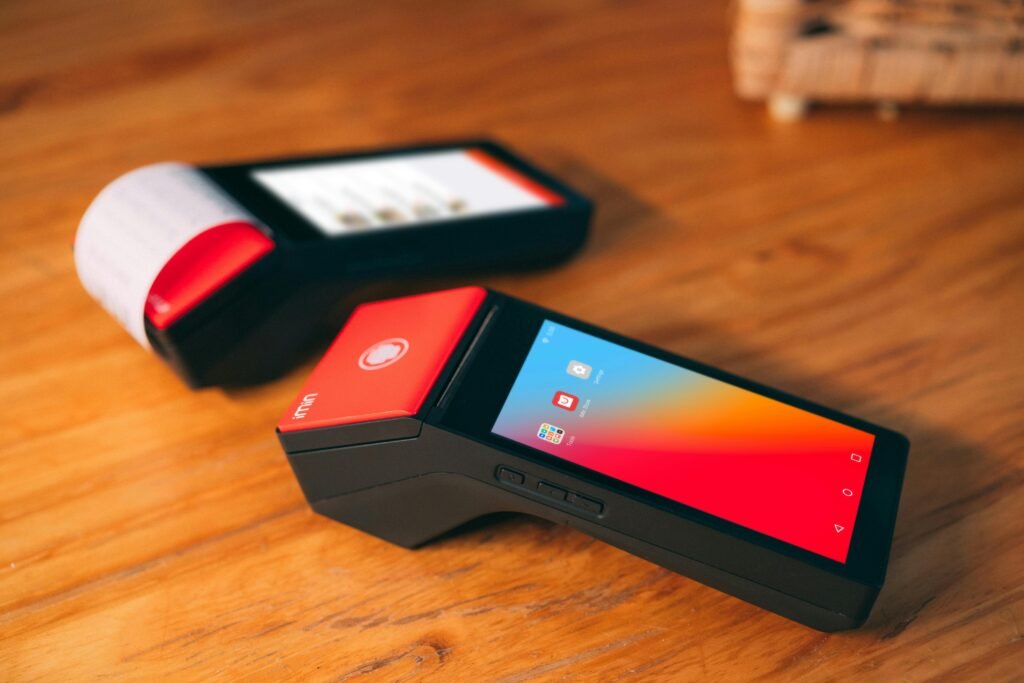
The fintech expansion is not speculative. Payment and fund transfer services already dominate the market at 45% of sector revenue, with digital payments accounting for 57.4% of retail transaction volume and 59.0% of transaction value as of January 2026. Mobile wallet adoption has become ubiquitous; GCash—the leading mobile money platform—reported 94 million active users in 2025, signifying that approximately 80% of the adult population maintains a digital payment account. This penetration exceeds most Southeast Asian peers and approaches the saturation levels typical of developed economies.
Three catalysts drive fintech expansion. First, the Philippines’ extraordinarily high percentage of previously unbanked or underbanked population has created a massive addressable market for digital financial services. Approximately 30-40% of Filipinos lacked bank accounts prior to the fintech boom; mobile money and digital payment platforms have extended financial services to this population economically, without requiring expensive branch infrastructure. The convenience and accessibility of smartphone-based banking directly addresses the archipelago’s geographic dispersion (7,640+ islands) and high cost of traditional branch expansion.
Second, regulatory support from the Bangko Sentral ng Pilipinas (BSP) has created a favorable environment for fintech innovation. BSP has actively encouraged Open Banking frameworks, enabling third-party fintech providers to build services on traditional banks’ infrastructure through APIs. The regulatory clarity around digital banking licenses, real-time payment systems, and consumer protection standards has attracted both domestic entrepreneurs and international fintech companies seeking Southeast Asian expansion platforms.
Third, e-commerce growth has created explosive demand for digital payment solutions. As online shopping penetrates to 73+ million active online users, the need for seamless, secure, convenient payment mechanisms has accelerated fintech adoption. Fintech platforms have embedded themselves into e-commerce marketplaces (Shopee, Lazada), creating integrated commerce-finance ecosystems where customers can browse, purchase, and pay without leaving the platform or switching payment providers.
The fintech sector encompasses distinct sub-markets: digital payments (45% of revenue), digital lending (rapidly growing segment serving underserved SMEs), digital insurance (emerging), and wealth management (nascent but growing). Digital lending has become particularly significant, as fintech platforms employ AI-driven credit assessment models to extend loans to entrepreneurs and small businesses that traditional banks consider unbankable due to lack of collateral or credit history. This democratization of credit access fuels entrepreneurship and MSME expansion.
However, competitive pressures are intensifying. Traditional banks have recognized the fintech threat and are aggressively digitizing their operations, partnering with fintech firms to access innovation while leveraging their capital, customer base, and regulatory advantages. International fintech firms (PayPal, Stripe, etc.) are expanding into the Philippines, bringing global best practices and brand recognition. Consolidation through M&A is likely as the market matures and profitability becomes dependent on scale.
Philippines E-Commerce: Mobile-First Retail Transformation
The Philippine e-commerce market represents a case study in the power of mobile-first business models in emerging markets with high smartphone penetration and low traditional retail saturation. The market reached USD 28 billion in 2024 and is projected to expand to USD 40.5 billion by 2027, growing at a 13% CAGR. The growth trajectory reflects both rapid online adoption (73+ million active users online) and favorable demographic fundamentals (young population comfortable with digital commerce, rising disposable incomes, improving logistics infrastructure).

The market structure is highly concentrated, with two dominant platforms—Shopee and Lazada—capturing approximately 70-80% of marketplace e-commerce volume, followed by niche specialists (BeautyMNL, Zalora, Carousell) targeting specific categories. Yet this concentration masks a vibrant ecosystem of smaller players, independent sellers leveraging marketplace platforms, and social commerce communities on Facebook and Instagram where informal sellers conduct transactions.
Product categories reveal consumer priorities and behavioral shifts. Fashion and apparel dominate at approximately 25-30% of transaction volume, driven by Filipinos’ strong interest in appearance and Western fashion trends. Consumer electronics (smartphones, laptops, appliances) constitute 20-25% of volume, reflecting growing digital device ownership. Beauty products represent 12-15%, groceries 10-12%, and health/wellness products 8-10%—with the latter two growing fastest, suggesting the pandemic accelerated health consciousness and convenience-driven purchasing.
Regional variation in e-commerce adoption follows predictable patterns. Metro Manila dominates transaction volume (40%+), but tier-2 cities (Cebu, Davao, Cagayan de Oro) are experiencing 25-30% annual growth, significantly outpacing Metro Manila’s 10-15% expansion. Rural e-commerce adoption remains constrained by logistics challenges and digital literacy gaps, but government broadband expansion initiatives are gradually extending reach to provincial markets.
Three structural factors position the Philippines for continued e-commerce growth. First, logistics infrastructure is rapidly improving. Shopee and Lazada have built nationwide fulfillment networks with next-day delivery capability in major cities and 2-3 day delivery in provincial areas—comparable to developed-market standards. This logistics capability is critical to consumer trust and repeat purchase behavior.
Second, digital payment penetration eliminates traditional e-commerce friction. In developed markets, credit card ownership is prerequisite for online shopping; in the Philippines, mobile wallet ubiquity (94 million GCash users) enables payment for consumers without credit cards or bank accounts, dramatically expanding addressable market.
Third, social commerce—leveraging Facebook, Instagram, and TikTok for product discovery and sales—has created a hybrid retail-social platform where influencers and ordinary consumers operate as informal retailers. This democratization of retail entrepreneurship drives inclusion and broadens the merchant base beyond formal e-commerce platforms.
However, challenges persist. Logistics costs in the archipelago remain high relative to regional peers due to geographic dispersion and multi-leg shipping requirements. Cash-on-delivery (COD), while popular with consumers lacking digital payment confidence, increases operational friction and fraud risk. Data privacy and cybersecurity concerns have emerged as trust barriers, particularly for transactions involving sensitive financial or health information.
The Philippines has potential to capture a disproportionate share of Southeast Asian e-commerce growth given its massive population (120+ million), high internet penetration, and youth-driven tech adoption. Some projections suggest the market could reach USD 50+ billion by 2030 if growth rates sustain.
Philippines Artificial Intelligence: Market Emergence and Adoption Lag
Artificial intelligence represents the Philippines’ highest-growth but least-mature growth sector, characterized by explosive market expansion projections alongside significant adoption barriers in the private sector. The AI market was valued at USD 1.025 billion in 2025 and is projected to reach USD 3.487 billion by 2030, representing a compound annual growth rate of 27.75%—more than five times the global AI market growth rate of 5%.

This market trajectory is driven by government-led initiatives and specific high-value applications in finance and healthcare. The Department of Science and Technology (DOST) announced the National AI Strategy (NAIS Ph) with a P2.6 billion (USD 46 million) investment in AI projects across healthcare, education, public services, and agriculture. The government established State of the Nation in AI (SONAI 2025) as a permanent annual forum to coordinate public-private collaboration on AI adoption.
However, a critical disconnect exists between government enthusiasm and private-sector implementation. According to IBM’s APAC AI Outlook survey, only 14.9% of Philippine businesses were using AI technologies as of 2021, compared to 40-60% in developed markets and 25-35% in regional peers like Singapore and Hong Kong. The lag reflects multiple barriers: limited AI expertise in local workforce, insufficient venture capital availability (venture capital scores only 6.00 globally), inadequate digital infrastructure outside major metros, and organizational uncertainty about AI investment ROI.
The government AI Readiness Score of 74.49 (indicating solid policy support) contrasts sharply with the Technology Sector score of only 38.58, highlighting the gap between policy enablement and industry capacity. This gap suggests that government initiatives will likely drive AI adoption in healthcare, education, and public administration, while private-sector SMEs will lag until talent, capital, and demonstrated use cases become more widely available.
Current AI applications in the Philippines are concentrated in specific sectors where offshore outsourcing and digital services have created early AI exposure. Financial institutions employ AI for fraud detection, credit risk assessment, and personalized lending decisions—building on the fintech and banking expertise of the BPO workforce. Healthcare providers are piloting AI-powered diagnostic imaging systems, clinical decision support tools, and telemedicine platforms to address physician shortages, particularly in rural areas. E-commerce platforms utilize AI for personalized product recommendations and dynamic pricing, directly leveraging the technical expertise of the 1.7+ million IT professionals already working in the country.
A significant opportunity lies in leveraging the BPO workforce’s existing AI exposure. According to UNCTAD analysis, the Philippines has demonstrated “early and effective engagement with frontier techs, particularly AI” through practical implementation in services sectors. The confluence of 1.82 million IT professionals, 94 million smartphone users, and 73 million online consumers creates a natural testing ground for AI-driven fintech, healthtech, and e-commerce applications.
Government targets include establishing four unicorn startups by 2030 and achieving USD 10 billion in venture capital investment, with AI-driven companies expected to constitute a significant portion. However, realizing these targets will require accelerated venture capital deployment, digital infrastructure expansion (particularly in provincial areas), and systematic AI literacy development through universities and technical schools.
Emerging Sectors: Healthtech and Renewable Energy
Healthtech represents a specialized high-growth segment combining export services and domestic healthcare improvement. The digital health market reached USD 971.80 million in 2025 and is projected to expand to USD 1,375 million by 2029, while the connected healthcare sub-segment is forecast to grow even faster at 30.1% CAGR through 2033, reaching USD 5,412.7 million by that year. The healthcare services export sector alone generated USD 4.2 billion in revenue in 2024, employing 190,000 full-time workers and capturing 15% of global health information management services (GIMS) revenue—positioning the Philippines as a regional hub for healthcare BPO services.
Telemedicine has become critical given the Philippines’ severe physician shortage (0.95 hospital beds per 1,000 Filipinos, 4.73 nurses per 1,000). AI-powered telemedicine and remote patient monitoring platforms directly address this capacity constraint by enabling specialists in Manila to serve patients in distant provinces, reducing travel burden and improving access to care. Medical tourism is rising, as patients from developed nations seek quality treatment at 40-60% cost discount relative to home countries, driving hospital investments in technology and English-fluent medical staff.
The main challenges are infrastructure fragmentation and data privacy concerns. Rural areas lack broadband reliability necessary for telemedicine, creating digital divide barriers. Additionally, the Philippines’ healthcare data protection laws are evolving but not yet as comprehensive as developed-market standards, creating regulatory uncertainty for patient data monetization and AI model training.
Renewable energy is strategically important for energy security (the Philippines imports fossil fuels), decarbonization (NDC commitment: 75% emissions reduction by 2030), and cost reduction (solar LCOE of USD 35-72/MWh is 35-60% cheaper than new thermal plants). Current renewable energy capacity is 8.2 GW (22% of total installed capacity in 2024), with government targets of 15.3 GW (50% of installed capacity) by 2030 and 52.8 GW by 2040.
The economics are compelling. Solar is already the cheapest generation source in the Philippines, and solar with four-hour battery storage is becoming cost-competitive with new thermal plants in 2025. Onshore wind paired with batteries is projected to undercut new thermal plants by 2032. The cost advantage is creating organic demand for renewable capacity independent of subsidy requirements, attracting both international and domestic investment.
The government’s Renewable Portfolio Standard (RPS) mandates escalating renewable energy requirements for large power consumers, creating contractual certainty for renewable project development. ACEN, the renewable energy arm of Ayala Corporation, operates 2.4 GW of renewables capacity across 10 solar farms and 6 wind farms—demonstrating institutional capability to execute large projects. However, scaling to 15 GW by 2030 requires accelerated project development velocity and continued cost reductions.
Critical challenges include land acquisition (competing uses for agricultural land), grid integration (the power system must accommodate variable renewable generation), and geothermal resource development (the Philippines ranks third globally in geothermal potential but has added only 35 MW over the past decade).
Demographic Advantages and Talent Pipeline
The Philippines’ demographic profile represents perhaps its most enduring competitive advantage, creating a “demographic dividend” that will persist for 15-20 years if complemented by quality employment and education. The population of 120.1 million with a median age of 25.7 years positions the Philippines among the world’s youngest major economies. The working-age population (15-64 years) comprises 77 million individuals, representing 62% of total population—an extraordinarily high ratio indicating substantial labor supply relative to dependents.
This demographic structure creates several economic advantages. First, it sustains rapid labor force growth, enabling economic expansion without immediate demographic constraints. The employment rate of 95-96% within the labor force indicates that nearly all individuals seeking work find employment—a testament to both job creation and the economy’s capacity to absorb new entrants. Youth unemployment has been managed reasonably well despite structural challenges in rural employment.
Second, the young population demonstrates exceptional technological adoption. Smartphone and internet penetration rates of 97.6% and 99% respectively are not merely aggregate statistics but reflect high adoption among youth even in provincial areas. This young demographic cohort represents “digital natives” who expect mobile-first experiences, seamless digital payments, and online service delivery—characteristics that align naturally with Philippines’ competitive positioning in digital services, fintech, and e-commerce.
Third, English proficiency is highest among younger cohorts, with tertiary education expansion ensuring that each successive cohort has higher English competency than its predecessor. This educational trajectory strengthens the Philippines’ competitive position in knowledge-intensive services requiring advanced communication.
However, critical caveats qualify these demographic advantages. First, fertility has fallen to replacement level (1.9 births per woman), implying that within 25-30 years the workforce will cease growing, and an aging population will emerge, creating fiscal pressure on social protection and income tax revenue. Planning for this eventual demographic transition demands current workforce productivity optimization and investment in education that builds adaptable, lifelong-learning capabilities rather than specialized technical skills with limited shelf-life.
Second, educational quality remains inconsistent across regions. While Metro Manila produces world-class IT professionals and BPO talents, provincial education systems struggle with resource constraints, teacher shortages, and curriculum misalignment with emerging industry needs. The government’s commitment to digital literacy through 2,500+ Tech4ED centers and National Broadband Plan investments are steps toward remedying this gap, but progress has been uneven.
Third, youth employment faces structural challenges despite low unemployment. The NEET (Not in Education, Employment, or Training) rate of 13% indicates that one of every seven young Filipinos is disengaged from both work and education—a substantial waste of human capital. Additionally, brain drain in healthcare and engineering is eroding specialized talent pools, as overseas employment opportunities offer higher wages and career advancement.
Government initiatives address these constraints. The Philippine Startup Development Programme, Technology Business Incubators (TBIs), and Digital Transformation Centers are designed to accelerate youth entrepreneurship and digital skills development. The Department of Labor and Employment’s “green jobs” initiative seeks to align training with industry demand, particularly in renewable energy, logistics, and digital sectors.
The Startup Ecosystem and Venture Capital Landscape
The Philippines’ startup ecosystem has expanded rapidly, though it remains less mature than Singapore, Vietnam, or Indonesia. As of 2024, the country hosts approximately 1,200 startups, 65 incubators and accelerators, 55 venture capital firms, and 210 coworking spaces concentrated primarily in Manila. The ecosystem generated USD 2.4 billion in venture capital funding between 2020-2024, with exit values of USD 258 million—modest relative to regional peers but demonstrating scalable business creation.
Critically, 2024-2025 represented an inflection point. The Philippines captured record venture capital funding in 2025, expanding its share of total Southeast Asian VC investment. Foreign direct investment in Philippine startups surged 45% year-over-year, with international firms playing an increasingly prominent role in funding rounds. This momentum reflects global investor perception of improving risk-adjusted returns, particularly in fintech, e-commerce, and B2B SaaS sectors.
The top startup funding achievements to date are DITO Telecommunity (USD 3.9 billion raised, positioning as a third national telco) and Mynt/Fintech (USD 1.3 billion raised, operating GCash fintech platform). These successes demonstrate that Philippine founders can achieve unicorn-scale outcomes through execution excellence and strategic positioning in large addressable markets.
The venture capital ecosystem is becoming more sophisticated. While early-stage funding from local angels and micro-VCs dominates the entry point, institutional players like Foxmont Capital Partners and regional VC funds increasingly provide Series A-C capital, bringing strategic expertise and international networks alongside capital. Government initiatives including the Philippine Startup Development Programme, 50 new TBI targets, and USD 10 billion investment goals through 2030 signal sustained policy support.
However, significant constraints persist. Venture capital availability scores only 6.00 globally, indicating that relative to the ecosystem’s startup base, VC deployment lags peer countries. Many promising startups struggle to raise Series A capital; funding rounds of USD 100-500 million remain rare outside Fintech. Additionally, the startup ecosystem lacks sufficient strategic mentorship, with many founders learning through trial-and-error rather than benefiting from systematic coaching from serial entrepreneurs and operating executives.
The sectors attracting most VC investment are fintech (highest priority for both local and international VCs), e-commerce (B2B and logistics variants particularly attractive), B2B SaaS (software for SMEs, HR tech, supply chain), and healthtech (medical tourism, telemedicine, remote patient monitoring). Manufacturing tech, agritech, and energy tech are emerging as investor focus areas in line with government development priorities.
Government Policy Framework: CREATE MORE and Digital Transformation
The government has implemented aggressive institutional frameworks designed to position the Philippines as a globally competitive investment destination. The CREATE MORE (Corporate Recovery and Tax Incentives for Enterprises to Maximize Opportunities for Reinvigorating the Economy) Act, enacted in November 2024, represents the most significant reform to the tax incentive regime in a decade, directly addressing foreign investor complaints about complexity and unpredictability.
CREATE MORE’s key provisions:
- Competitive tax rates: Registered Business Enterprises (RBEs) can choose between a Special Corporate Income Tax (SCIT) of 5% or Enhanced Deductions Regime (EDR) with 20% corporate income tax (down from 25%), effective immediately upon commercial operations.
- Extended incentive periods: Up to 27 years of tax relief (increased from 17 years), providing long payback horizons for capital-intensive projects.
- Energy deductions: 100% deduction on power expenses (doubled from 50%), directly reducing operating costs for manufacturing and data center operations.
- VAT relief: Zero-rating for local purchases of export-oriented enterprises and exemptions for importations, addressing cash flow constraints for direct exporters.
- Flexible work arrangements: RBEs operating within economic zones can implement remote and flexible work without losing tax incentives—critical post-pandemic provision.
- Streamlined application processing: 20-working-day turnaround for incentive decisions once complete documents submitted, reducing bureaucratic delays.
- Foreign talent visas: Investment promotion agencies authorized to issue special visas for foreign nationals with highly specialized skills, addressing talent shortage constraints.
The practical impact is substantial. The CREATE MORE regime reduces the cost of capital for high-impact investments, particularly in capital-intensive sectors like manufacturing, data centers, renewable energy, and pharmaceuticals. The 5% SCIT makes the Philippines competitive with Singapore (5%), Vietnam (10%), and Thailand (8%), overcoming a historical cost disadvantage that deterred multinational investment.
Digital Transformation Initiatives represent the government’s second major economic development lever. The Department of Information and Communications Technology (DICT), led by Secretary Ivan John Uy, has launched comprehensive programs to expand digital infrastructure and digital literacy nationwide.
Key DICT initiatives include:
- Philippine Digital Infrastructure Project (PDIP): USD 288 million investment to enhance broadband connectivity, particularly in remote areas, complete national fiber backbone, and establish 772 free Wi-Fi sites in Mindanao.
- Tech4ED Centers: 2,500+ centers established by December 2024, providing digital literacy training, fintech courses, entrepreneurship programs, and ICT skills development, particularly in underserved communities.
- Free Wi-Fi for All: 1,195 free Wi-Fi sites activated by November 2024, providing internet access to 446,000+ Filipinos in central Luzon, with expansion nationwide.
- Digital Transformation Centers (DTCs): 771 locations providing ICT training, innovation hubs, and co-working infrastructure, particularly in provincial cities.
- National Broadband Plan: Fiber-optic and satellite connectivity deployment to geographically isolated and disadvantaged areas (GIDAs), ensuring no region is excluded from digital economy participation.
- eGov PH mobile application: Unified citizen-centric platform integrating government services from multiple agencies, reducing transaction burden and improving service accessibility.
- Cybersecurity initiatives: Enhanced threat intelligence, real-time information sharing, and nationwide awareness campaigns under the National Cybersecurity Plan 2023-2028.
The government digital transformation strategy explicitly aims to bridge the digital divide that historically separated Metro Manila (85%+ digital adoption) from provincial areas (40-50% adoption). By 2030, the government targets establishing the Philippines as a regional digital innovation hub with enhanced participation in ASEAN digital policy-making.
These initiatives directly address a critical constraint on economic diversification: the digital divide. Without universal broadband access and digital literacy, rural entrepreneurs and SMEs cannot participate in e-commerce, fintech, or digital government services. The government’s investment strategy implicitly recognizes that the Philippines’ competitive advantage in digital services cannot be sustainably maintained if digital access remains concentrated in major metros.
Competitive Positioning and Regional Comparisons
The Philippines occupies a distinctive position within Southeast Asia, combining the region’s strongest demographic advantages with the second-largest BPO market (after India globally) and rapidly improving positions in emerging sectors. A comparative analysis against regional peers illustrates this positioning.
Versus Vietnam (7.1% GDP growth in 2024), the Philippines’ 5.6% growth appears slower, but Vietnam’s growth is driven by manufacturing export expansion vulnerable to geopolitical trade tensions. The Philippines’ service-driven growth model is less dependent on trade policy continuity and more reflective of domestic consumption strength.
Versus Indonesia (5.1% growth, 275 million population), the Philippines’ smaller population but younger demographic profile (median age 25.7 vs 30.2) provides longer runway for workforce expansion. While Indonesia’s consumer market is substantially larger, the Philippines’ higher English proficiency and more developed BPO/IT ecosystem make it the preferred destination for knowledge-intensive outsourcing.
Versus Thailand (2.5% growth, median age 39.1) and Malaysia (3.2% growth, median age 38.5), the Philippines’ demographic advantage is stark. Both Thailand and Malaysia face aging populations, requiring higher capital investment per worker to maintain productivity. The Philippines’ youth bulge represents a time-limited advantage, but the window remains open for 15-20 years.
The distinctive competitive positioning is not singular dominance in any sector but rather combination of multiple strengths: lowest median age in region, highest English proficiency, largest BPO market, most favorable fintech growth dynamics, lowest renewable energy costs, and increasingly competitive tax environment through CREATE MORE.
However, competitors are advancing. Vietnam’s AI and software development sectors are expanding rapidly, supported by government investment and proximity to China’s technology ecosystem. Indonesia’s massive population (275 million) provides consumer market scale that dwarfs the Philippines, attracting e-commerce and fintech investment. Thailand and Malaysia maintain higher per-capita income and established multinationals that generate supply chain opportunities.
The Philippines’ optimal strategy is not to out-compete on individual metrics but to build reinforcing ecosystem advantages: use demographic dividend to expand digital services exports, deploy digital infrastructure investments to create inclusive digital economy, leverage fintech and e-commerce success to catalyze startup ecosystem growth, and support renewable energy transition to attract capital-intensive manufacturing and data center operations.
Risks, Constraints, and Medium-Term Challenges
The Philippines’ growth trajectory faces multiple headwinds that require active mitigation. The most immediate constraint is infrastructure capacity. While the government has committed USD 288 million to digital infrastructure and 2,500+ Tech4ED centers represent progress, the pace of digital infrastructure deployment may lag demand. Rural broadband adoption accelerates only gradually, limiting e-commerce and fintech penetration in provincial markets.
Natural disasters present recurring disruption. The Philippines lies in the Western Pacific typhoon belt and experiences seasonal monsoon flooding that damages infrastructure and disrupts supply chains. Q3 2025 GDP growth slowed to 4.4% (the weakest since Q1 2021) due to infrastructure scandal and typhoon damage, illustrating the economy’s vulnerability to climate shocks. As climate change intensifies extreme weather frequency and severity, the Philippines’ physical and economic infrastructure face mounting stress.
Wage inflation in competitive sectors (BPO, fintech, IT services) is narrowing cost arbitrage advantages. Salary growth of 8-12% annually in technical roles will eventually erode the 60-70% cost advantage versus Western markets. Deloitte projects the BPO sector must transition to higher-value services (AI-enabled operations, strategic consulting, digital transformation services) or risk margin compression. This transition requires continuous workforce upskilling—a capital-intensive undertaking.
Global trade policy uncertainty creates macroeconomic headwinds. The Trump administration’s proposed tariff policies could disrupt supply chains and reduce demand for outsourcing services if protectionist policies trigger global recession. The IMF and OECD have warned that escalating trade tensions could reduce global growth from forecast 3.5% to 2.5-3%, directly impacting multinational demand for Philippine services.
Venture capital availability remains constrained relative to ecosystem needs. While 2024-2025 saw improved VC funding, startup ecosystem expansion requires USD 10+ billion in capital deployment through 2030 to realize government unicorn targets. The current VC base of 55 firms and USD 2.4 billion in cumulative funding through 2024 suggests the ecosystem is capital-constrained relative to India or Southeast Asian regional rivals.
Skills mismatches persist between education system outputs and industry demands. The Philippines produces millions of graduates annually, but curriculum alignment with emerging industry needs (AI, cloud computing, advanced manufacturing) remains imperfect. Technical education institutions (TESDA) have expanded training, but outcomes measurement and quality assurance require strengthening.
Regulatory implementation uncertainty surrounds recent legislation. While CREATE MORE’s tax framework is clear, implementation through investment promotion agencies (IPAs) requires trained, professional staff capable of rapid decision-making. Historical bureaucratic delays in Philippines government operations could undermine the law’s effectiveness if implementation falls short of intent.
Finally, social inequality persists despite economic growth. The Philippines remains one of the most unequal countries in Southeast Asia by Gini coefficient, and wealth gains from economic growth have not distributed evenly across regions. This inequality creates political pressure for redistribution and constrains domestic consumption growth among the lower-income majority.
Conclusion and Investment Outlook
The Philippines has evolved from a commoditized business process outsourcing destination to a diversified digital services economy with credible positions in fintech, e-commerce, emerging AI capabilities, and renewable energy. The combination of 120+ million people, median age of 25.7, near-universal smartphone adoption, exceptional English proficiency, and cost-competitive talent creates a structurally compelling investment case for multinational corporations seeking to access growth markets, diversify supply chains, or establish offshore technology centers.
The BPO sector’s maturation, while exposing some margins to compression, has created a deep talent pool of 1.7+ million IT professionals with proven competency in complex customer service, software development, and emerging AI applications. Fintech’s explosive growth (16.75% CAGR through 2034) positions the Philippines as a leading innovation hub for digital financial services in Asia. E-commerce market expansion (13.78% CAGR) and digital payment penetration (94 million GCash users) create natural testing grounds for new technologies and business models ahead of deployment in more developed markets.
The government’s CREATE MORE tax regime and USD 288 million digital infrastructure investment signal commitment to systematic economic modernization. Policy moves are removing friction that historically deterred foreign investment, while digital transformation initiatives are expanding the addressable market for digital services beyond Metro Manila to provincial areas.
For multinational technology firms, the Philippines offers a cost-effective alternative to India for BPO and software development, with superior cultural compatibility and English proficiency. For fintech platforms and payment processors, the Philippines provides a rapidly growing market of digitally native consumers with substantial unmet financial services demand. For renewable energy investors, the Philippines’ grid costs, solar economics, and government commitment to 50% renewable capacity by 2030 present attractive project development opportunities.
The medium-term outlook (2025-2030) is constructive but not without risk. Sustained 5.5-6% GDP growth is achievable if government maintains policy consistency, digital infrastructure deployment accelerates, and geopolitical trade tensions do not escalate into global recession. The Philippines’ demographic dividend will persist for 15-20 years if complemented by quality employment and educational opportunity—a critical contingency for translating population advantage into inclusive economic growth.
For investors and businesses evaluating Philippines entry, the optimal moment is narrowing. The demographic dividend, digital infrastructure buildout, and regulatory improvements (CREATE MORE) are creating a multi-year window of opportunity. However, rising wage costs, increasing competition from regional peers, and mounting climate risks suggest that delay increases cost of capital deployment and reduces probability of successful competitive positioning.
The Philippines is not yet a developed economy, and significant institutional and infrastructure gaps remain. But the country’s trajectory is unmistakably upward, supported by structural demographics, government commitment to digital transformation, and the demonstrated capacity of Philippine workers to compete on a global stage in knowledge-intensive services. For multinational corporations with medium-to-long-term strategic horizons, the Philippines warrants serious consideration as a preferred location for regional growth, innovation, and talent-intensive operations.

Philippine Main Government Portal
| Official Government Portal | Official Government Portal |
| Official Gazette | Official Gazette |
| Open Data Portal | Open Data Portal |
| Department of Trade and Industry | Department of Trade and Industry |
| Bureau of Internal Revenue | Bureau of Internal Revenue |
Read more country case studies done before this.
| china | china |
| hong kong | hong kong |
| japan | japan |
| sinagpore | singapore |
| taiwan | taiwan |
| uAE | UAE |
| india | india |
| south korea | south korea |